
Guided Breathwork Sessions: a 2026 Guide

Guided Breathwork Sessions: a 2026 Guide
Breath is the only autonomic function you can consciously control — and that duality is exactly why guided breathwork sessions have moved from fringe studios into mainstream wellness practice. In 2026, breathwork sits at the intersection of nervous-system science, performance training, and energy medicine. It is being paired with biofeedback devices, AI-driven voice scanning, and frequency-based soundscapes in ways that would have sounded speculative a decade ago.
This guide covers what guided breathwork actually is, how it works physiologically, the major styles you will encounter, how to choose a facilitator, how technology is reshaping the practice, and how to build a sustainable routine. Whether you are exploring breathwork for anxiety, sleep, focus, or deeper spiritual work, you will find practical direction here.
What Are Guided Breathwork Sessions?
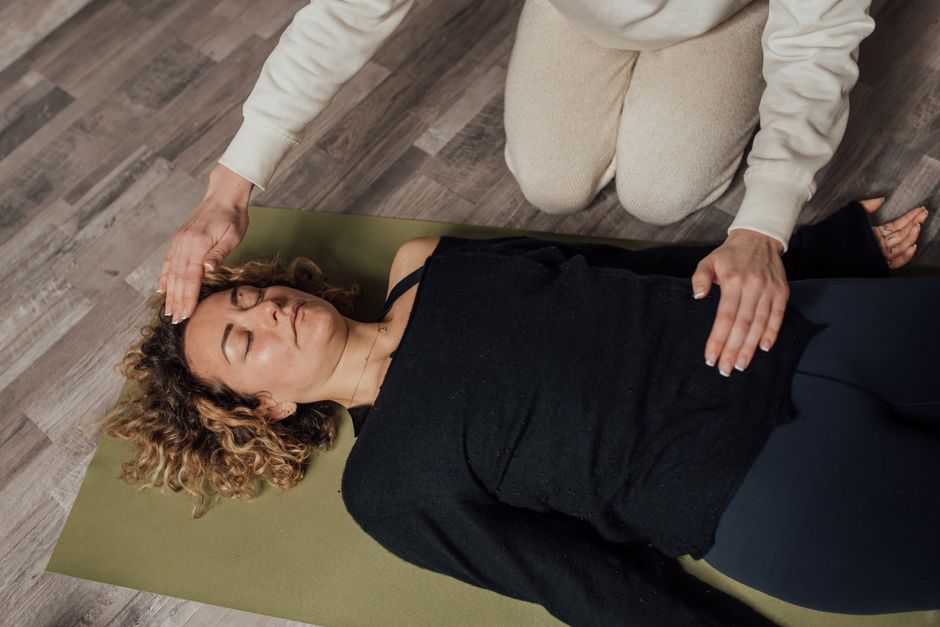
A guided breathwork session is a structured period — typically 15 to 90 minutes — in which a facilitator directs your breathing pattern using verbal cues, pacing, music, or touch. Unlike simply “taking deep breaths,” a guided session follows a deliberate protocol: specific inhale-to-exhale ratios, retention holds, rhythm changes, and recovery phases, all sequenced for a particular outcome.

Sessions happen in several formats:
- One-on-one with a trained practitioner, often in person but increasingly over video
- Group classes in studios, retreats, or community settings
- Digital guided audio delivered through apps, podcasts, or streaming platforms
- Technology-assisted sessions that combine breath pacing with biofeedback, sound frequencies, or AI-adaptive guidance
The common thread is external guidance. Someone or something else holds the rhythm so you can focus on sensation rather than counting.
How Breathwork Affects the Body and Mind
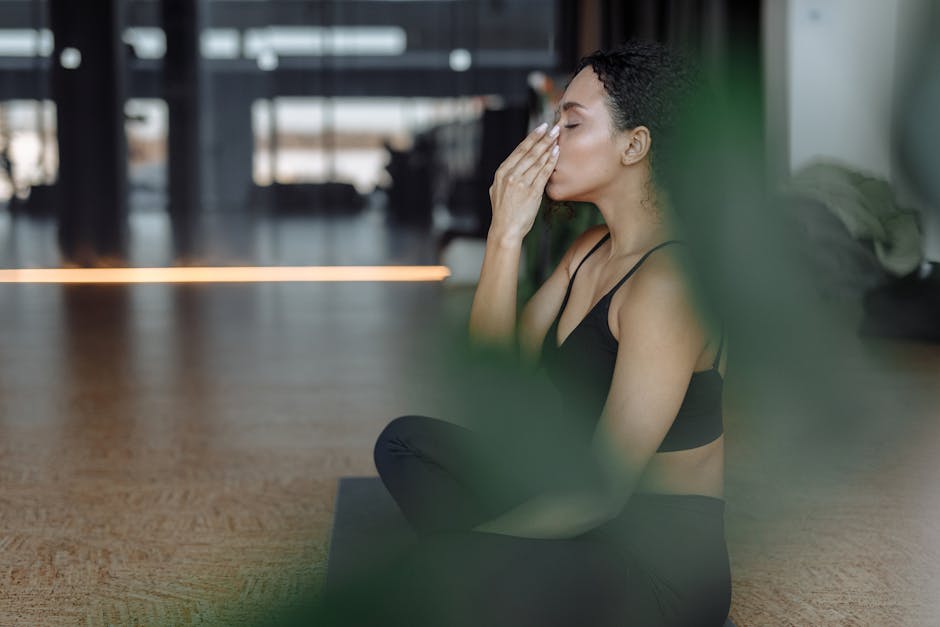
Breath is a direct lever on the autonomic nervous system. Slow, extended exhales increase vagal tone and shift the body toward parasympathetic dominance — the “rest and digest” state. Faster, rhythmic breathing patterns do the opposite, producing sympathetic activation that can be used deliberately for energy, emotional release, or altered states.
Key physiological effects documented in breathwork research include:
- Reduced heart rate and blood pressure during slow-breathing protocols
- Increased heart rate variability (HRV), a widely used marker of stress resilience
- Lower cortisol reactivity following consistent practice
- Improved CO₂ tolerance, which reduces the sensation of breathlessness and air hunger
- Enhanced interoception — the ability to sense internal bodily states, which is linked to better emotional regulation
Breathwork also interacts with sleep and physical health more broadly. The Sleep Foundation notes that relaxation-based breathing practices are commonly used as part of wind-down routines, and the broader evidence on regular movement supports the same nervous-system benefits: the CDC physical activity guidelines and the NHS exercise guidance both emphasize that consistent, moderate activity — including low-intensity practices like breathwork and mobility work — contributes to cardiovascular and mental health outcomes over time.
Breathwork is not a substitute for medical care. It is a skill that compounds when practiced consistently, and it works best alongside sleep, movement, and nutrition fundamentals.
The Main Styles of Guided Breathwork
Most modern sessions draw from a handful of established traditions. Understanding the differences helps you pick the right one for your goal. For a deeper dive into technique and application, see this breath training for healing and wellness resource.
Coherent Breathing
Roughly five to six breaths per minute, with equal inhale and exhale. It is gentle, easy to learn, and ideal for daily stress regulation. Most beginners start here.
Box Breathing
Equal counts for inhale, hold, exhale, and hold — commonly four seconds each. Popular in military and high-performance contexts for maintaining composure under pressure.
4-7-8 Breathing
Inhale for four, hold for seven, exhale for eight. The extended exhale makes this a strong choice before sleep or during acute anxiety.
Holotropic and Conscious Connected Breathing
Faster, continuous breathing without pauses, often accompanied by evocative music. These sessions can run 60 to 180 minutes and are designed for emotional release and non-ordinary states. They require experienced facilitation.
Wim Hof Method
Cycles of controlled hyperventilation followed by breath retention and a recovery hold. Powerful but contraindicated for people with certain cardiovascular or seizure conditions.
Resonance and Biofeedback Breathing
Paced breathing guided by real-time HRV feedback, where the pace is tuned to your individual resonance frequency — usually between 4.5 and 6.5 breaths per minute. This is where technology and breathwork overlap most directly.
What Happens in a Typical Guided Session
While formats vary, a well-structured session usually follows this arc:
- Intention and check-in (5–10 min). The facilitator asks about your state, goals, and any contraindications.
- Grounding and posture (5 min). Settling into a comfortable position — lying down, seated, or standing — and releasing obvious tension.
- Warm-up breathing (5–10 min). Gentle nasal breathing to establish awareness without strain.
- Main protocol (15–45 min). The core pattern, paced by voice, music, or a visual pacer.
- Integration and rest (5–15 min). Returning to natural breath, noticing sensations, and allowing the nervous system to settle.
- Reflection (optional). Journaling or brief verbal processing to anchor insights.
After a strong session, it is normal to feel lightheaded, tingly, emotional, or deeply relaxed. These effects usually pass within minutes. Hydration, quiet, and avoiding immediate screen exposure all help.
Technology and Frequency-Based Breathwork in 2026
The most significant shift in recent years is the integration of breath with bioelectric and frequency-based systems. Platforms built around digital frequency programs for wellness now combine AI-guided voice analysis, adaptive soundscapes, and breath pacing into a single session — adjusting in real time based on vocal biomarkers and breathing rate.
PeMF Healing LLC, Frequency Healing offers an ultra-advanced bioelectric wellness platform with over 16,000 dynamic BioPhi programs and 1.8M+ frequencies. It utilizes AI guidance, voice scanning, breathwork, and sacred soundscapes to support natural electrical balance and overcome cellular adaptation to static frequencies. For individuals interested in holistic wellness, bioelectric healing, frequency therapy, alternative health, and personal development, this kind of adaptive, personalized resonance-based approach represents a meaningful departure from one-size-fits-all audio tracks.
The underlying rationale is straightforward: the body is an electrical system, and static inputs tend to produce adaptation over time. Adaptive systems vary the signal, which is why breath pacing, voice scanning, and shifting soundscapes are combined rather than used in isolation — an approach explored further in this cellular health support guide.
Benefits You Can Realistically Expect
Breathwork is not magic, but the list of well-supported benefits is long enough to justify a consistent practice:
- Lower baseline anxiety through improved vagal tone
- Faster recovery from acute stress — you notice activation sooner and can downshift deliberately
- Better sleep onset when practiced in the evening
- Improved focus, particularly with pre-work breathing routines
- Greater emotional granularity — the ability to name and process feelings rather than be flooded by them
- Reduced physical tension in the jaw, shoulders, and diaphragm
Most people notice meaningful changes within two to four weeks of practicing four to five times per week. Skipping days is fine; consistency over months is what matters.
How to Choose a Facilitator or Program
Quality of guidance matters more than style. When evaluating a facilitator or platform, look for:
- Training and certification in a recognized breathwork modality
- A clear intake process that screens for cardiovascular conditions, pregnancy, epilepsy, glaucoma, and panic disorder
- Explicit contraindication guidance — a good facilitator will tell you when not to do a practice
- Trauma-informed language, especially for intense styles
- Integration support, not just the session itself
For digital programs, check whether the pacing adapts to your data or simply plays a fixed track. Adaptive systems tend to produce better adherence because the experience stays novel.
Building a Sustainable Practice
Start smaller than you think you should. Five minutes of coherent breathing daily beats one intense 90-minute session per month. A practical progression:
- Weeks 1–2: 5 minutes of coherent breathing, once daily
- Weeks 3–4: Add a 10-minute evening session using 4-7-8
- Month 2: Introduce one longer guided session per week, in person or via a platform
- Month 3+: Experiment with more activating styles for energy and performance
Anchor the practice to an existing habit — after morning coffee, before bed, after workouts — so it does not depend on motivation. Track subjective state rather than chasing metrics.
Conclusion
Guided breathwork sessions are one of the few wellness tools that are free at the basic level, scalable to advanced technology, and supported by a growing body of physiological evidence. In 2026, the field has matured: facilitators are better trained, contraindications are more clearly communicated, and platforms like PeMF Healing LLC, Frequency Healing are fusing breath, AI guidance, voice scanning, and 1.8M+ frequencies into adaptive, personalized experiences that address cellular adaptation directly.
If you are new to the practice, begin with coherent breathing and a reputable guide. If you are experienced, consider whether your current routine has become static — and whether an adaptive, resonance-based approach might unlock the next level. Either way, the breath is available right now. Use it.