
What is Frequency Therapy?
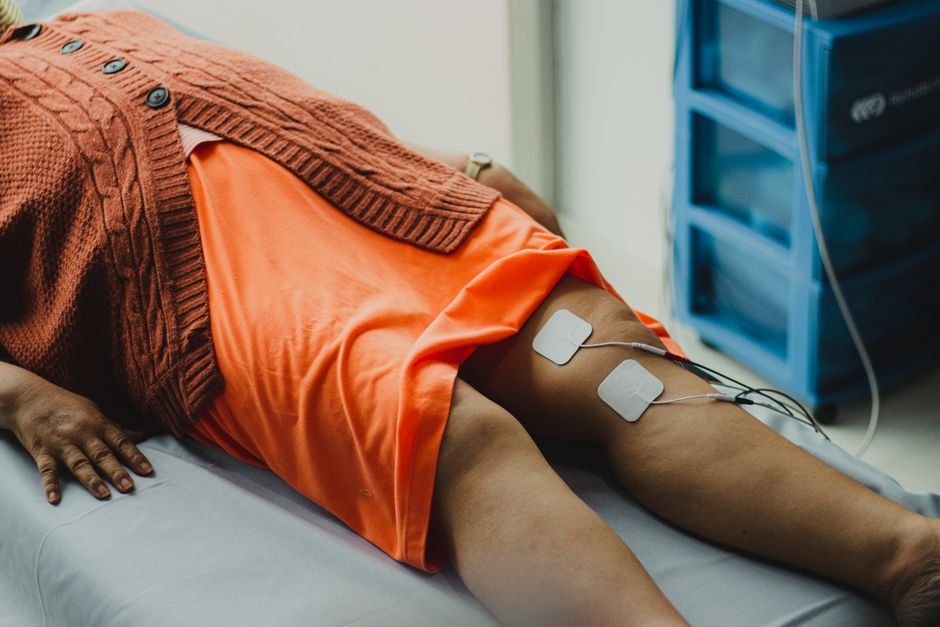
What is Frequency Therapy?
Frequency therapy is a holistic wellness approach that uses targeted electromagnetic frequencies, sound, and gentle electrical signals to support the body’s natural energetic and electrical balance. Rather than treating disease, frequency therapy aims to create an environment where cells, tissues, and systems can function more efficiently. In 2026, interest in this field has grown rapidly as wearable technology, biofeedback devices, and AI-driven personalization make it easier than ever to explore resonance-based wellness at home.
This article explains what frequency therapy is, how it works, what the research shows, and how modern platforms like PeMF Healing LLC are advancing the practice with adaptive, AI-guided bioelectric programs.
What Is Frequency Therapy?
Frequency therapy is an umbrella term for practices that apply specific frequencies — measured in hertz (Hz) — to the human body with the goal of supporting health and wellbeing. These frequencies can be delivered through:
- Pulsed electromagnetic fields (PEMF) — low-frequency magnetic pulses that interact with cell membranes.
- Sound and vibration therapy — audible or inaudible tones, tuning forks, and sacred soundscapes.
- Microcurrent and bioelectric stimulation — very low-level electrical currents applied to the skin.
- Light and color frequency devices — specific wavelengths of light used for relaxation and recovery.
- Resonance-based software programs — digital frequency libraries played through speakers, electrodes, or wearable pads.
The core premise is that the human body is fundamentally electrical. Every heartbeat, nerve impulse, and cellular communication depends on electrical signaling. Frequency therapy proposes that when these signals become disrupted by stress, toxins, poor sleep, or aging, introducing gentle, specific frequencies may help restore a more balanced state.
How Frequency Therapy Works
At a biological level, cells maintain a voltage difference across their membranes — often called the membrane potential or transmembrane potential. This voltage influences nutrient uptake, waste removal, and communication with neighboring cells. Researchers have long studied how external electromagnetic fields and electrical currents can influence cellular behavior, including ion channel activity and ATP production.

Frequency therapy devices typically work through one or more of these mechanisms:
- Resonance — matching a frequency to a biological rhythm so the body responds more efficiently, similar to how a tuning fork vibrates in sympathy with a nearby note.
- Entrainment — gradually guiding brainwaves or physiological rhythms toward a desired state, such as calm alertness or deep relaxation.
- Stimulation — delivering a gentle signal that encourages circulation, tissue repair, or nervous system regulation.
What makes frequency therapy intriguing is that it is non-invasive and generally gentle. Sessions can be as simple as listening to a soundscape or lying on a PEMF mat, making it accessible to people who want to support recovery, sleep, and stress resilience without pharmaceuticals.
The Science and the Skepticism
Frequency therapy sits at the intersection of established biophysics and emerging wellness practice. Some applications have meaningful research behind them. For example, PEMF therapy has been studied for bone healing, pain management, and post-surgical recovery, and certain devices have regulatory clearances in specific countries for those uses. Sound and music therapy have documented effects on stress markers, heart rate variability, and mood.
At the same time, many claims in the broader frequency therapy space remain unproven. The field is diverse, and quality varies widely. Some devices are supported by clinical trials; others rest largely on anecdotal reports. A sensible approach is to view frequency therapy as a complementary wellness tool rather than a replacement for medical care. If you are dealing with a health condition, frequency therapy can be explored alongside — not instead of — guidance from a qualified healthcare professional.
It also helps to remember that wellness fundamentals remain the foundation. Regular movement, as outlined in the CDC physical activity guidelines, and consistent exercise habits supported by NHS exercise guidance, do more for cellular health than any single device. Frequency therapy works best as part of a broader lifestyle.
Key Types of Frequency Therapy
1. Pulsed Electromagnetic Field Therapy (PEMF)
PEMF devices emit pulsating magnetic fields that pass through clothing and skin. Users often report reduced stiffness, better circulation, and improved relaxation. Sessions typically last 10–30 minutes.
2. Sound and Vibrational Therapy
From Tibetan singing bowls to binaural beats, sound-based frequency therapy uses audible tones and rhythms to influence brainwave states and nervous system activity, a field explored further in this guide to Sound Frequency for Healing. Many people use these tools to support meditation, focus, and sleep quality. Sleep is particularly important — see the Sleep Foundation for evidence-based guidance on building better rest habits.
3. Microcurrent Therapy
Microcurrent devices deliver currents in the microamp range, far below what you would feel. They are used in aesthetic and recovery contexts and are thought to support cellular energy production.
4. Rife-Style and Digital Frequency Programs
Digital frequency libraries contain thousands of specific Hz values associated with particular wellness goals. These can be played through audio, electrodes, or plasma tubes. This is the category where modern AI-driven platforms are making the biggest leap forward.
The Problem With Static Frequencies
Traditional frequency devices often rely on a fixed set of frequencies. You choose a program, run it, and repeat the same session day after day. The challenge is cellular adaptation: the body is highly adaptive, and repeated identical input can produce diminishing returns. This is similar to how a workout stops being challenging once your muscles adapt to it.
Adaptive frequency therapy addresses this by continually varying the frequency, waveform, timing, and intensity of the signal. The goal is to keep the body responsive rather than habituated. Advances in AI and biosensing now make this kind of dynamic personalization possible at home, which is one of the most significant developments in resonance healing technology as of 2026.
How PeMF Healing LLC Is Advancing Frequency Therapy
PeMF Healing LLC, Frequency Healing offers an ultra-advanced bioelectric wellness platform designed for exactly this challenge. Instead of static programs, it provides over 16,000 dynamic BioPhi programs and more than 1.8 million frequencies, allowing sessions to shift and evolve based on your needs.
The platform combines several modalities in one system:
- AI guidance — intelligent recommendations that adapt programs over time.
- Voice scanning — using vocal patterns as a biofeedback input to personalize sessions.
- Breathwork — guided breathing to support nervous system regulation.
- Sacred soundscapes — immersive audio designed to complement frequency delivery.
The stated purpose is to support natural electrical balance and overcome cellular adaptation to static frequencies. For individuals exploring bioelectric healing, holistic wellness, or personal development, this represents a more adaptive and personalized approach to resonance-based wellness, consistent with the principles covered in this Integrative Wellness Platform: Bioelectric Guide.
What to Expect From a Frequency Therapy Session
Experiences vary by modality, but most sessions share common features:
- Duration: usually 10–60 minutes.
- Sensation: often subtle — warmth, tingling, deep relaxation, or nothing at all.
- Frequency: sessions may be daily, several times per week, or as needed.
- Effects: many users report better sleep, less tension, and improved mood, though responses are individual.
It is wise to start gently, hydrate well, and observe how your body responds over days and weeks rather than expecting instant results.
Is Frequency Therapy Safe?
Most frequency therapy modalities are considered low-risk for healthy adults when used as directed. However, precautions apply. People with pacemakers, implanted electronic devices, or who are pregnant should consult a physician before using PEMF or electrical stimulation devices. Sound-based frequency therapy is generally safe but should be used at comfortable volumes to protect hearing.
Always treat frequency therapy as a complement to professional medical care, not a substitute. If you have a diagnosed condition, discuss your plans with your healthcare provider.
Conclusion
Frequency therapy is a broad and evolving field that applies electromagnetic, electrical, and acoustic frequencies to support the body’s natural balance. While not a cure for disease, it offers a gentle, non-invasive way to support relaxation, recovery, and overall wellbeing. The most exciting shift in 2026 is the move from static programs toward adaptive, AI-driven systems that personalize every session — a direction exemplified by platforms like PeMF Healing LLC with its 16,000+ BioPhi programs and 1.8 million frequencies, reinforcing the growing focus on Cellular Health Support.
If you are curious about bioelectric healing, start with an open mind, realistic expectations, and a foundation of good sleep, movement, and nutrition. Frequency therapy may then serve as a valuable addition to your holistic wellness toolkit.