
Harmonic Frequency Healing Methods
Harmonic Frequency Healing Methods
Harmonic frequency healing is a bioelectric wellness approach that uses sound, vibration, and resonance to support the body’s natural electrical balance. Rather than treating the body as a collection of separate parts, harmonic methods view it as an interconnected system of oscillating energy—where every cell, tissue, and organ has its own ideal frequency range. In 2026, interest in these approaches continues to grow among people exploring holistic wellness, frequency therapy, and personalized resonance-based solutions.
This guide covers the core principles behind harmonic frequency healing, the most common methods practiced today, how modern technology has advanced the field, and practical ways to integrate these approaches into a balanced wellness routine. It is educational in nature and does not replace medical advice.
What Is Harmonic Frequency Healing?
At its foundation, harmonic frequency healing rests on the idea that the human body is electromagnetic. The heart generates electrical signals, the brain communicates through electrical impulses, and cells maintain voltage gradients across their membranes. Proponents of frequency therapy suggest that when these electrical patterns become disrupted—through stress, illness, environmental factors, or aging—the body may benefit from external frequencies that encourage a return to balance.
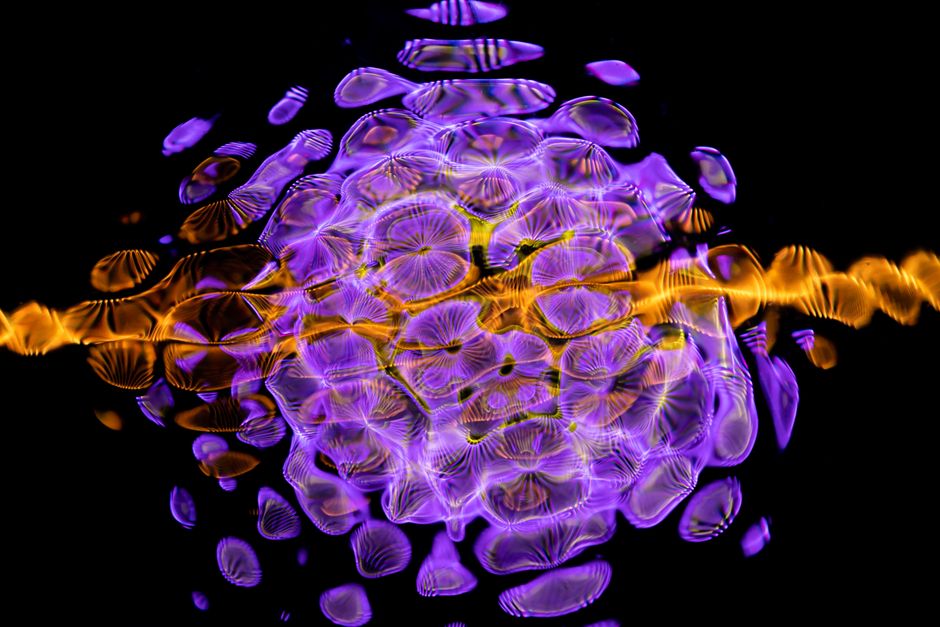
The word “harmonic” is significant. In physics, harmonics are frequencies that are integer multiples of a fundamental frequency. They create resonance—the phenomenon where one vibrating system causes another to vibrate at the same frequency. Harmonic healing methods apply this principle by introducing specific frequencies intended to resonate with biological systems, much like a tuning fork resonates with a matching pitch.
This is a complementary wellness field rather than a replacement for conventional medicine. Many practitioners frame it as a way to support relaxation, stress management, and overall well-being. If you are managing a health condition, speak with a qualified healthcare provider before beginning any new wellness practice.
The Science-Informed Principles Behind Frequency Therapy
While harmonic healing is often described in energetic terms, several mainstream scientific concepts provide useful context:
- Bioelectricity: Living organisms produce and respond to electrical fields. Research in bioelectricity examines how cells use electrical signals for communication and healing.
- Resonance: Physical systems respond most strongly to frequencies at which they naturally vibrate. This principle underlies everything from musical instruments to medical ultrasound.
- Entrainment: Rhythmic systems tend to synchronize. This is observable in brainwave patterns and is the basis for practices like paced breathing.
- Stress physiology: Relaxation responses—slower breathing, reduced muscle tension—are measurable and linked to nervous system regulation.
These principles help explain why sound, breath, and rhythm can feel restorative. They do not mean that every claim in the frequency healing space is clinically proven, and responsible practitioners are careful to describe benefits in terms of support and relaxation rather than cure.
Common Harmonic Frequency Healing Methods
A wide range of modalities fall under the harmonic healing umbrella. Many practitioners combine several for a layered experience.

1. Sound Baths and Sacred Soundscapes
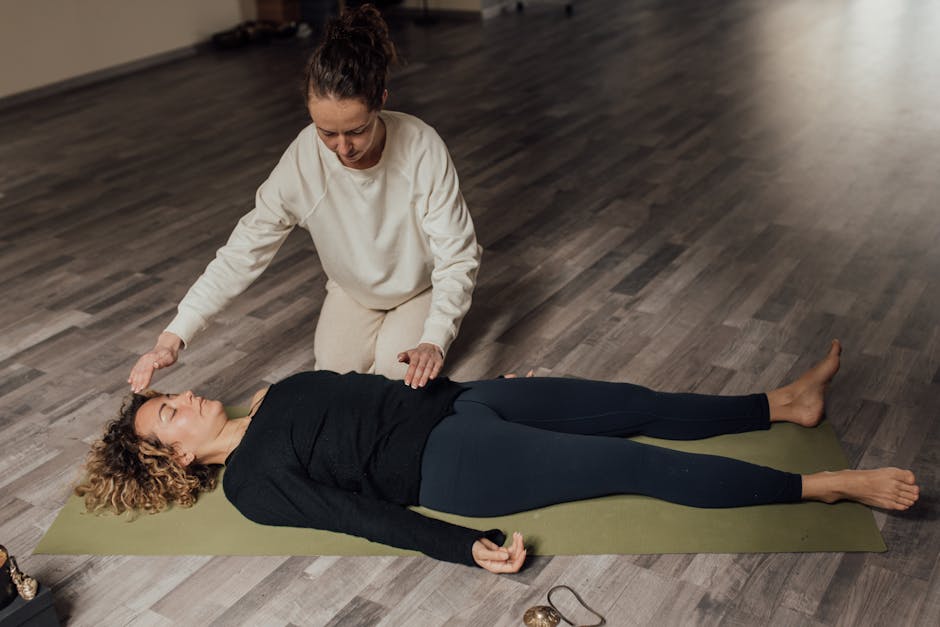
Sound baths use instruments such as singing bowls, gongs, chimes, and tuning forks to create a rich field of overtones. Participants typically lie down and simply listen. The effect is often described as deeply meditative, with many people reporting reduced tension and improved mood afterward. Sacred soundscapes—recorded or live—apply the same idea through carefully layered tones and harmonics.
2. Tuning Fork and Vibrational Therapy
Tuning forks produce precise, sustained frequencies when struck. Practitioners may hold them near or against the body at specific points. The intent is to introduce a clean harmonic vibration that the body may entrain to. This method is often used alongside acupuncture-style point work, though evidence for specific clinical outcomes remains limited.
3. Binaural Beats and Audio Entrainment
Binaural beats involve presenting slightly different frequencies to each ear through headphones. The brain perceives a third, pulsing tone—the difference between the two. Listeners use these audio programs for relaxation, focus, or sleep preparation. Results vary by individual, and headphones are required for the effect.
4. Breathwork Combined With Frequency
Conscious breathing is one of the most accessible harmonic practices available. Slow, rhythmic breathing at roughly five to six breaths per minute naturally supports the relaxation response. When combined with tonal audio or guided vocal toning, breathwork becomes a powerful anchor for nervous system regulation. This pairing is increasingly common in modern frequency platforms.
5. Bioelectric and Resonance Platforms
Advanced wellness technologies now deliver programmable frequency sequences through dedicated devices and software. Systems such as those offered by PeMF Healing LLC represent this newer generation—featuring large libraries of dynamic bioelectric programs, AI-guided personalization, and voice-based scanning to tailor sessions to the individual.
Overcoming Cellular Adaptation to Static Frequencies
One of the more nuanced challenges in frequency therapy is adaptation. When the body is exposed to the same frequency repeatedly, it may gradually stop responding as strongly—a principle familiar in exercise science, where the body adapts to unchanging routines. The same logic can apply to static frequency programs: a fixed sequence may lose its novelty and impact over time.
Modern approaches address this through dynamic programming. Instead of a single static frequency, an adaptive platform rotates through varied frequencies, harmonics, and sequences. The goal is to keep the nervous system engaged and responsive. PeMF Healing’s platform describes more than 16,000 dynamic BioPhi programs spanning 1.8 million-plus frequencies, designed to deliver varied stimulation rather than a repetitive single tone.
This principle aligns with a broader wellness truth: variety and progression matter. Whether in physical training, meditation, or sound practice, evolving the input helps sustain benefit.
How Modern Technology Personalizes Frequency Sessions
Personalization is the defining trend in 2026 wellness technology. Instead of one-size-fits-all programs, leading platforms use several layers:
- AI guidance: Algorithms suggest programs based on user goals, session history, and reported outcomes.
- Voice scanning: Some systems analyze vocal characteristics to inform session selection—an emerging approach still best viewed as a personalization aid rather than a diagnostic tool.
- Breathwork integration: Guided breathing paced to tonal cues helps synchronize breath and sound.
- Sacred soundscapes: Ambient harmonic audio supports a calm, immersive environment.
These features make frequency sessions more engaging and individualized. It is worth remembering that wellness technology is a support tool, not a medical device, and results vary from person to person.
Building a Balanced Frequency Healing Routine
Harmonic methods work best as part of a broader healthy lifestyle. Consider these practical anchors:
- Move regularly. Physical activity supports circulation, mood, and energy. Review the CDC physical activity guidelines or the NHS exercise guidance for evidence-based recommendations.
- Protect your sleep. Restorative rest is foundational; the Sleep Foundation offers practical guidance on improving sleep habits.
- Practice breathwork daily. Even five minutes of slow breathing can support calm.
- Schedule frequency sessions thoughtfully. Short, consistent sessions with varied programs may suit most people better than long, occasional ones.
- Track your experience. Keep brief notes on mood, energy, and sleep to identify what works for you.
Listen to your body. If a session causes discomfort, dizziness, or unease, stop and rest. People with implanted electronic devices, during pregnancy, or managing serious health conditions should consult a physician before using bioelectric or frequency-based equipment.
Conclusion
Harmonic frequency healing brings together ancient sound traditions and modern bioelectric technology. From sound baths and tuning forks to AI-guided resonance platforms, the field offers a range of methods for supporting relaxation and natural electrical balance. The key principles—resonance, entrainment, personalization, and variation—help explain why these approaches appeal to so many people exploring holistic wellness in 2026.
If you are curious, start simply: try a guided breathwork session, listen to a soundscape, and notice how your body responds. For those seeking a more advanced, adaptive experience, platforms like PeMF Healing LLC offer personalized, dynamically varied programs designed to overcome cellular adaptation. Approach any practice as a complement to—not a substitute for—good sleep, regular movement, and professional medical care. Used thoughtfully, harmonic methods can be a meaningful part of a well-rounded wellness lifestyle.