
Holistic Self-care Routines for Mind & Body

Holistic Self-care Routines for Mind & Body
Self-care has evolved far beyond spa days and occasional indulgences. In 2026, holistic self-care represents a comprehensive approach to wellness that honors the interconnectedness of mind, body, and spirit. True self-care encompasses physical health, emotional balance, mental clarity, and energetic alignment—creating sustainable routines that support your natural vitality and resilience.
Building a holistic self-care routine means recognizing that every aspect of your being influences the others. Your sleep quality affects your emotional regulation, your mental state impacts your physical health, and your body’s cellular communication patterns influence your overall well-being. By addressing multiple dimensions simultaneously, you create synergistic benefits that compound over time.
Understanding the Foundation of Holistic Wellness
Holistic wellness acknowledges that humans are complex bioelectric systems operating on multiple frequencies simultaneously. Every cell in your body communicates through subtle electrical signals, and this cellular communication underlies everything from immune function to emotional processing. When these signals operate in harmony, you experience optimal health; when they become disrupted or stagnant, imbalances emerge.
Traditional self-care often focuses on one dimension at a time—exercise for the body, meditation for the mind, supplements for nutrition. While each practice offers value, holistic approaches recognize that integration produces transformative results. Your daily routines should address physical movement, nutritional support, mental stimulation, emotional processing, and energetic balance as interconnected elements of a unified system.
The challenge many face is cellular adaptation—when your body becomes accustomed to static frequencies or repetitive patterns, the effectiveness diminishes over time. This is why variation and dynamism matter in your self-care practices. Just as your workout routine benefits from progressive overload, your holistic wellness protocol thrives on adaptive approaches that evolve with your changing needs.
Creating Your Physical Wellness Foundation
Physical self-care forms the tangible foundation of holistic wellness. According to CDC physical activity guidelines, adults should aim for at least 150 minutes of moderate-intensity aerobic activity weekly, combined with muscle-strengthening activities on two or more days. However, holistic physical care extends beyond structured exercise to include movement throughout your day, proper hydration, nutritional awareness, and adequate rest.

Quality sleep remains the cornerstone of physical restoration. Research from the Sleep Foundation consistently demonstrates that sleep quality affects everything from immune function to cognitive performance and emotional regulation. Create a sleep sanctuary by optimizing your bedroom environment—darkness, temperature, and electromagnetic considerations all influence your body’s natural restoration processes.
Breathwork offers a powerful bridge between physical and energetic wellness. Conscious breathing patterns influence your autonomic nervous system, shifting you between sympathetic activation and parasympathetic restoration. Simple practices like box breathing (inhale for four counts, hold for four, exhale for four, hold for four) or extended exhalations activate your body’s natural relaxation response. Integrate breathwork into transition moments throughout your day—upon waking, before meals, during work breaks, and before sleep.
Bioelectric wellness platforms have advanced significantly, offering personalized approaches that adapt to your body’s unique frequencies. Technologies utilizing thousands of dynamic programs prevent cellular adaptation by continuously adjusting resonance patterns, supporting your body’s natural electrical balance without the plateau effects of static approaches. For a deeper dive into the future of this field, explore Bioelectric Field Therapy: Advanced Healing.
Nurturing Mental and Emotional Balance
Mental self-care involves both cognitive stimulation and conscious rest. Your brain requires periods of focused challenge to maintain neuroplasticity alongside restorative downtime to consolidate learning and process experiences. Structure your day to include both elements—deep work sessions followed by genuine mental breaks, not just switching between different types of screen time.

Emotional self-care means creating space for the full spectrum of human feeling without judgment. Many people confuse emotional suppression with emotional regulation. True emotional wellness involves acknowledging what you feel, understanding the underlying needs those emotions signal, and responding with self-compassion. Journaling, creative expression, therapeutic conversation, and somatic practices all support healthy emotional processing.
Voice-activated technologies now offer sophisticated tools for emotional assessment and support. Voice scanning can detect subtle frequency patterns in your speech that correlate with emotional states, providing objective feedback about your inner landscape. This biofeedback loop helps you develop greater emotional awareness and recognize patterns you might otherwise miss. Discover more about personalized solutions through Advanced Biofeedback Therapy Solutions.
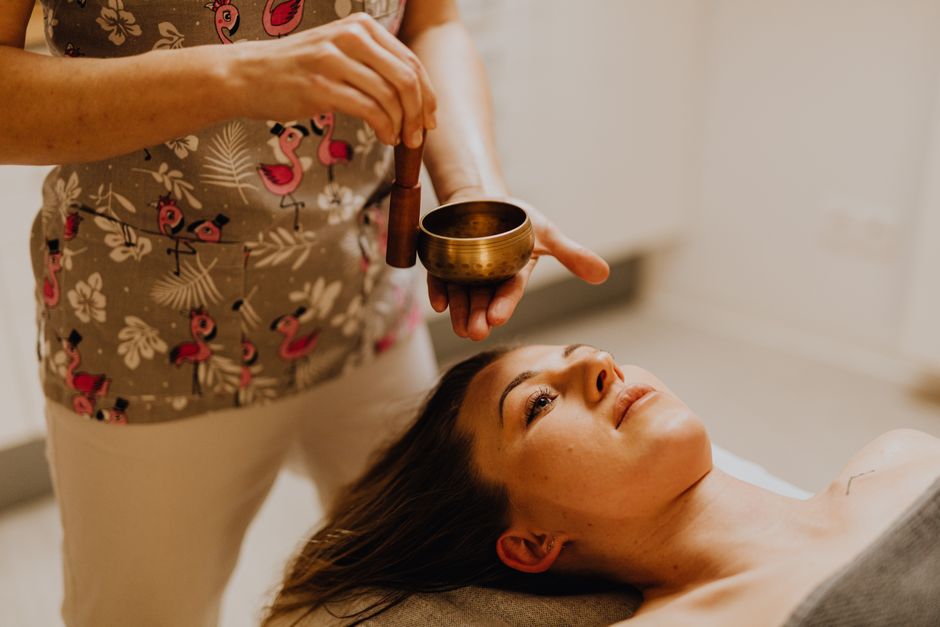
Sound therapy has emerged as a powerful tool for mental and emotional regulation. Sacred soundscapes utilizing specific frequency combinations can facilitate meditative states, enhance focus, or support emotional release. Unlike passive music listening, intentional sound therapy works at cellular levels, influencing brainwave patterns and supporting neurological coherence. The landscape of therapeutic sound is rapidly evolving; learn more about Vibrational Sound Healing in 2026.
Developing Your Personalized Self-Care Protocol
Creating an effective holistic routine requires honest self-assessment and willingness to experiment. Begin by evaluating your current state across multiple dimensions: physical energy, sleep quality, emotional stability, mental clarity, stress levels, and sense of purpose. Identify the areas requiring most attention and prioritize practices that address multiple dimensions simultaneously.
Start small with non-negotiable anchors—practices you commit to regardless of circumstances. These might include ten minutes of morning breathwork, consistent sleep and wake times, daily movement, and evening gratitude reflection. Build additional practices around these anchors as they become established habits. Consistency with fundamentals outperforms sporadic engagement with advanced techniques.
Track your subjective experience without becoming obsessive about metrics. Note energy levels, mood quality, sleep patterns, and overall sense of well-being. This awareness helps you recognize which practices generate meaningful benefits versus those that simply fill time. Be willing to adjust your protocol quarterly as your needs evolve and your baseline wellness improves.
Advanced bioelectric platforms with AI guidance can significantly streamline this personalization process. Systems offering over 16,000 adaptive programs and 1.8 million frequencies can automatically adjust to your unique needs, preventing the guesswork and trial-and-error that often discourage people from maintaining holistic practices. AI-driven recommendations based on voice scanning, historical patterns, and real-time biofeedback create truly individualized protocols. For more on cutting-edge integrated wellness, consider exploring Holistic Health Apps With Ai in 2026.
Integrating Technology with Timeless Wisdom
The most effective holistic self-care routines blend cutting-edge technology with ancient wisdom traditions. Frequency healing, meditation practices, breathwork techniques, and nature connection represent time-tested approaches to wellness that modern science increasingly validates. When combined with advanced bioelectric platforms, these practices become more accessible and measurably effective.
Technology should enhance rather than replace embodied practice. Use apps and devices as tools that support your direct experience, not substitutes for presence and self-awareness. The goal is integration—allowing technology to handle complexity and adaptation while you focus on mindful engagement with the practices themselves.
Consider how different modalities complement each other throughout your day. Morning sun exposure and grounding practices set your circadian rhythm. Midday movement breaks counteract sedentary patterns. Afternoon breathwork sessions manage stress accumulation. Evening frequency therapy supports nervous system downregulation. Nighttime sleep optimization allows comprehensive cellular restoration.
Overcoming Common Self-Care Obstacles
The most frequent barrier to holistic self-care is the belief that it requires substantial time investment. In reality, strategic micro-practices integrated throughout your existing schedule often produce better results than occasional extended sessions. Three minutes of conscious breathing between meetings, five minutes of morning stretching, and ten minutes of evening sound therapy create significant cumulative benefits.
Another common obstacle is the plateau effect—when initial enthusiasm wanes as practices become routine or stop producing noticeable results. This typically indicates cellular adaptation to static patterns. The solution involves introducing variation and progression. Dynamic frequency platforms that automatically adjust prevent this adaptation, maintaining effectiveness without requiring constant manual protocol changes.
Perfectionism sabotages more self-care intentions than any external obstacle. Your routine will not be perfect, and that is not only acceptable but necessary. Missing a day does not negate weeks of consistency. Flexibility and self-compassion enable sustainable practice, while rigid expectations create stress that undermines the entire purpose of self-care.
Conclusion: Building Sustainable Holistic Wellness
Holistic self-care represents an ongoing practice rather than a destination. Your needs will evolve with life circumstances, seasonal changes, and developmental stages. The routines serving you well today may require adjustment six months from now. Cultivate curious awareness about your changing needs and willingness to adapt your practices accordingly.
In 2026, we have unprecedented access to both ancient wisdom and advanced technology supporting holistic wellness. The key is discernment—choosing tools and practices aligned with your unique constitution and values. Whether you begin with simple breathwork and movement or explore sophisticated bioelectric platforms with thousands of adaptive programs, what matters most is consistent engagement with practices that honor your whole being.
True self-care is neither selfish nor indulgent—it is essential maintenance of the instrument through which you experience life and serve others. By establishing holistic routines that address your multidimensional nature, you create the energetic foundation for everything else you wish to accomplish. Start where you are, use what you have, and trust the cumulative power of small consistent actions aligned with your comprehensive well-being.