
Personalized Healing Frequencies in 2026
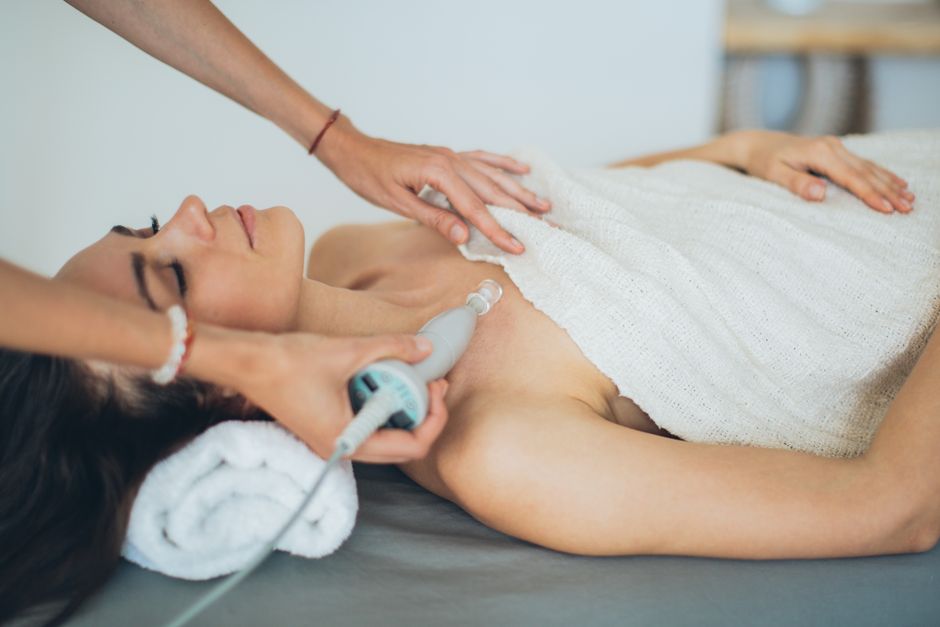
Personalized Healing Frequencies in 2026
For decades, frequency-based wellness tools worked the same way for everyone: you picked a program, pressed play, and received a fixed set of tones. The results were often subtle and short-lived — not because the concept was flawed, but because the delivery was static. Cells are adaptive by nature, and the nervous system tunes out repetition. That is why the frontier of bioelectric wellness in 2026 is not louder frequencies or longer sessions. It is personalization.
This guide covers what personalized healing frequencies are, how adaptive bioelectric platforms overcome cellular habituation, how AI, voice scanning, breathwork, and sacred soundscapes work together, and how to use this technology as part of a grounded, holistic lifestyle.
What Are Personalized Healing Frequencies?
Healing frequencies are specific electromagnetic, acoustic, or bioelectric signals applied to the body to support its natural electrical balance. Every cell in your body maintains a tiny voltage across its membrane, and research in the field of bioelectricity has long explored how these electrical gradients influence communication, repair, and regulation.
“Personalized” changes one critical variable: the signal is shaped around you. Rather than delivering the same pre-recorded track to every user, an adaptive platform measures your current state, adjusts the frequency profile in real time, and shifts the pattern before your body habituates to it.
In practice, personalized frequency therapy in 2026 combines several layers:
- Bioelectric signaling — programs designed to support electrical balance at the cellular level.
- Adaptive sequencing — the signal evolves so cells cannot fully adapt to a static pattern.
- Individual input — voice analysis, breath, and self-reported state inform which programs are selected.
- Soundscape context — ambient and sacred sound design that supports relaxation, focus, or sleep.
This is a meaningful departure from the “one frequency, one playlist, forever” model that dominated early frequency wellness. Personalization turns a passive listening experience into an active, responsive session.
Why Cellular Adaptation Matters
The single biggest limitation of traditional frequency work is habituation. Your body is built to notice change, not constants. When you expose cells to an unchanging signal, the response tends to fade — the same way you stop noticing the hum of a refrigerator after a few minutes.

Static frequency products run directly into this wall. A user may feel something in the first session and less in the tenth, which is why so many people abandon sound and frequency tools after a few weeks.
Adaptive platforms solve this by continuously varying frequency, modulation, and timing. The goal is not to overwhelm the system but to stay just novel enough that the body keeps responding. Think of it as the difference between staring at a single color and watching light move across a landscape. The second holds attention because it changes.
The BioPhi Approach
Advanced platforms now use large dynamic libraries — for example, PeMF Healing LLC’s Frequency Healing platform, which offers over 16,000 dynamic BioPhi programs drawing on 1.8 million+ frequencies. The scale matters because personalization requires options. A smaller catalog forces users into generic protocols; a large adaptive catalog can match a session to a person’s current physiology, mood, and goals rather than to an average.
How AI Guidance Personalizes a Session
AI is the engine that makes personalization practical rather than theoretical. In a modern bioelectric wellness session, AI typically works across several stages:
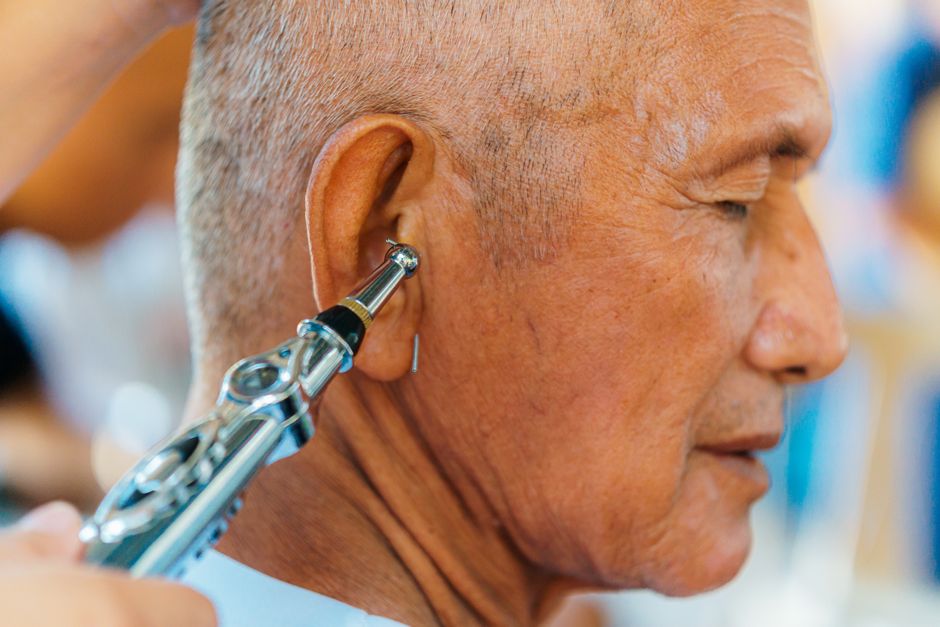
- Intake and assessment. The system gathers baseline information — your goals (sleep, calm, focus, recovery), your subjective state, and any prior session feedback.
- Voice scanning. Vocal patterns carry information about stress, breathing, and nervous system activation. AI-driven voice scanning provides an additional input layer so the platform can read where you are today, not where you were last week.
- Program selection. The AI maps your inputs to an appropriate set of BioPhi programs from the library.
- In-session adaptation. If the signal needs to shift to avoid habituation, the system adjusts in real time.
- Feedback and learning. Your response feeds back into the next session, so the platform becomes more attuned to you over time.
The result is a session that feels made for you because, functionally, it is. The AI is not diagnosing or treating disease — it is selecting and sequencing resonance patterns for a supportive wellness experience.
Breathwork, Voice, and Sacred Soundscapes
Frequencies work best when the body is receptive. That is why leading platforms in 2026 pair bioelectric programs with practices that shift the nervous system into a more balanced, parasympathetic state.
Breathwork is the fastest lever you have. Slow, extended exhales activate the vagus nerve and shift heart rate variability in a favorable direction. A frequency session layered over intentional breathing gets you into a relaxed, receptive state far faster than tones alone.
Voice scanning turns your own voice into both a measurement and a practice. Humming and sustained vocal tones are themselves a form of self-generated frequency, and the act of vocalizing invites awareness into the body.
Sacred soundscapes — chanting, bowls, gongs, and other contemplative sound traditions — provide a familiar, grounding container. They create the emotional and ritual context that makes a session feel meaningful rather than clinical, which matters for adherence. People keep doing what feels good.
Personalized Frequencies as Part of a Holistic Lifestyle
Frequency work is a complement to, not a replacement for, the fundamentals of health. Any credible holistic protocol still rests on the basics:
- Sleep. Most adults need seven or more hours of quality sleep, and the Sleep Foundation offers detailed guidance on sleep hygiene and duration. Evening relaxation sessions pair naturally with a wind-down routine.
- Movement. Regular physical activity supports circulation, mood, and cellular health. The CDC physical activity guidelines recommend at least 150 minutes of moderate activity weekly for adults.
- Exercise variety. The NHS exercise guidance emphasizes a mix of aerobic activity, strength work, and balance training across the week.
- Nervous system care. Breathwork, meditation, time in nature, and frequency sessions all support regulation.
- Mindset and personal development. Intention, journaling, and reflection amplify any wellness practice.
The most effective routine is the one you actually sustain. A short, personalized frequency session before bed or after a workout is easier to maintain than a long, rigid protocol.
What to Look for in a Personalized Frequency Platform
Not every product marketed as “personalized” actually adapts. As you evaluate options in 2026, check for these markers:
- Library depth. Thousands of dynamic programs, not a few dozen static tracks.
- Adaptive delivery. Explicit design to counter cellular habituation to static frequencies.
- Multiple input layers. AI guidance and voice scanning, not just a generic questionnaire.
- Integration with breathwork. Sessions that guide breathing rather than only playing audio.
- Soundscape quality. Sacred and ambient sound design that you genuinely enjoy listening to.
- Honest claims. A focus on supporting natural electrical balance and general wellness — not medical promises.
Platforms like PeMF Healing LLC’s Frequency Healing were built around exactly this combination: an ultra-advanced bioelectric wellness platform with more than 16,000 dynamic BioPhi programs, AI guidance, voice scanning, breathwork, and sacred soundscapes, all designed to support natural electrical balance and overcome cellular adaptation.
“The body is an electrical system, and it responds to change — not constants. Personalization is what keeps the conversation going.”
Conclusion: Resonance That Adapts to You
Personalized healing frequencies represent a genuine step forward in bioelectric wellness. The old model asked you to adapt to a fixed program. The new model asks the program to adapt to you — measuring your state through voice and input, selecting from vast dynamic libraries, and shifting the signal before your cells tune it out.
In 2026, the most advanced platforms blend AI guidance, breathwork, and sacred soundscapes into sessions that feel both precise and deeply restful. Used alongside solid sleep, regular movement, and nervous system practices, personalized frequency work can become a meaningful part of a holistic lifestyle — not a magic bullet, but a resonant, adaptable, and genuinely personal practice.
If you are exploring frequency therapy for the first time, start small, stay consistent, and pay attention to how your body responds. The best signal is always the one that meets you where you are.